In an SEO context, organic traffic usually means visits from search results that are not ads. Paid traffic is the general term for visits that advertising brings to a website.
Organic search and paid traffic are not opposite sides of the same classification. Organic search is one specific type of traffic. Paid traffic is broader: it may include visits from search ads, social media ads, display ads, video ads and shopping ads.
Visitors can also reach a website directly, through links on other websites, from emails or from social media posts that are not ads. These visits are not paid traffic, but that alone does not make them organic search traffic.
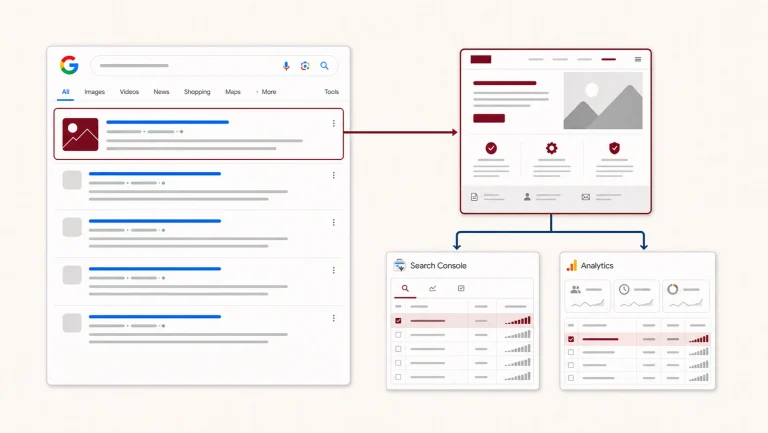
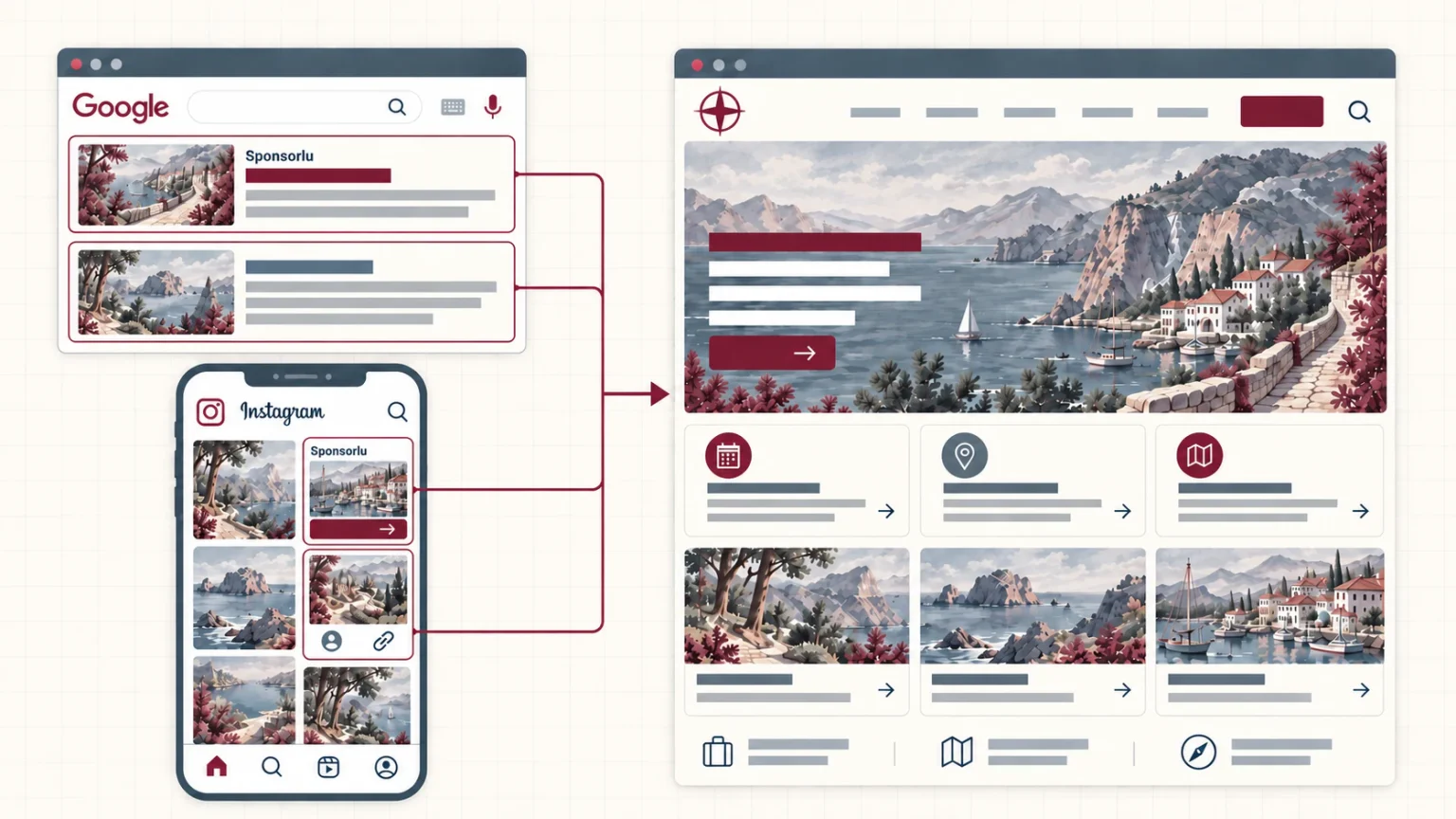
One person may find a business’s service page through a search result. Another may reach the same page from an ad, an Instagram post or a link in an email. The destination is the same, but the route and the message seen before the visit are different.
Analytics tools classify these routes using the information they receive and their own rules. The resulting label does not, on its own, explain why the visitor came or what the visit produced for the business.
What does website traffic mean?
Website traffic is a general term for visits to a website, not the name of a single analytics metric. Analytics tools may report users, sessions and page views separately. The same person can create several sessions by returning to the website more than once. A single session can also include several page views.
The answer to “How much traffic did the website receive?” therefore depends on the metric being used. The total alone does not show where the visits came from or which links brought them to the site. That requires the source, medium and channel information.
Do source, medium and channel mean the same thing?
In everyday use, “traffic source” can refer broadly to any route through which people reach a website. In analytics reports, source, medium and channel answer different questions:
| Report dimension | Question it answers | google / organic example |
|---|---|---|
| Source | Which search engine, platform, newsletter or website sent the visit? | google |
| Medium | How did the visit reach the site—for example, through organic search, a paid link, email or a referral? | organic |
| Channel | Which broader reporting group is this source and medium combination assigned to? | It may be grouped under Organic Search. |
In google / organic, the first value is the source and the second is the medium. The analytics system can then place those details within the broader Organic Search channel group.
Knowing the platform alone is not enough to tell whether a visit was organic or paid.
What is organic traffic?
In digital marketing and SEO discussions, organic traffic usually means organic search traffic. When someone clicks an organic result on Google or another search engine and reaches the website, the visit may be reported as organic search traffic.
A person researching a service may find the relevant service page. Someone looking for an answer may find an article, while a person searching for the business by name may reach the home page. Their reasons for searching are different. They are grouped together because each visit reached the website through an organic search result.
Is organic traffic free?
No. The advertising platform does not charge for a click on an organic result. Creating and maintaining that visibility still requires work. Technical changes, topic research, content production, improvements to existing pages and monitoring may all require time, expertise and budget.
Are SEO and organic traffic the same thing?
No. SEO covers the work carried out to help a website and its content appear for relevant searches. Organic traffic consists of visits through links in organic search results. The technical and content foundation that supports this work is explained in What Is an SEO-Friendly Website?.
What is paid traffic?
Paid traffic means visits that reach a website through paid advertising campaigns. Search ads are only one part of it. Social media ads, display ads, video ads, shopping ads and other forms of paid promotion can also send visitors to a website.
Does paid traffic only come from Google Ads?
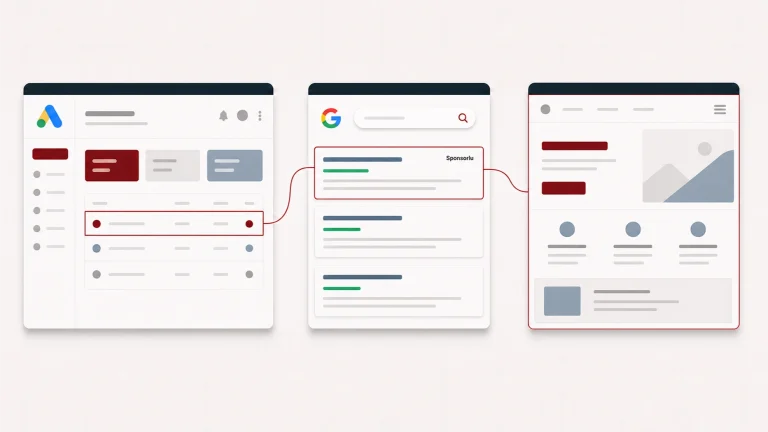
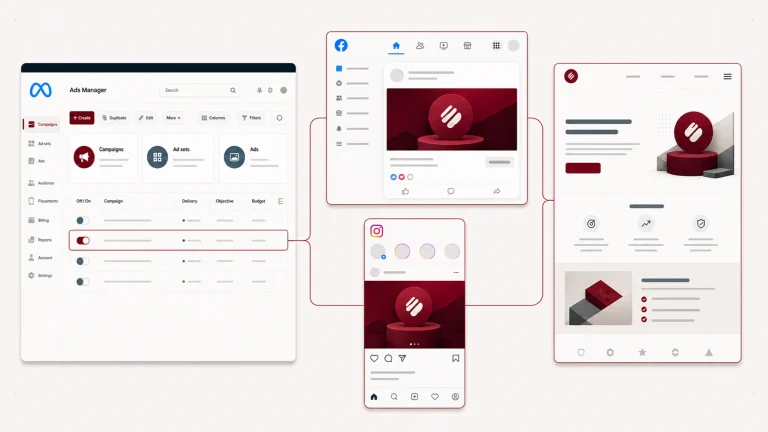
No. A person who clicks an ad in a search engine may create paid search traffic. A visit from a Facebook or Instagram ad may be reported as paid social traffic. Paid traffic is therefore not synonymous with Google Ads or any one type of advertising.
Does every advertising result count as website traffic?
No. After seeing an ad, a person may submit a form within the platform, send a message, call the business or visit a physical store. These can all be results of the advertising campaign. They do not add to website traffic unless the person opens the website.
Advertising spend can be used to bring visitors to a website. A website visit and a business result are not the same thing. Whether a visit produces a result depends on what the person is looking for, the message shown in the ad, the page they reach and the action they can complete.
Is all website traffic either organic or paid?
No. Organic search and paid channels are common parts of website traffic, but they do not cover every route. Names and classification rules vary between analytics tools, but common channel groups can be described as follows:
| Common channel group | When it is used | Example |
|---|---|---|
| Organic search | The visit comes from a search result that is not an ad. | Someone searches for a question and opens the relevant article. |
| Paid search | The visit comes from an ad in a search engine. | Someone searching for a service clicks a search ad. |
| Paid social | The visit comes from an ad on social media. | Someone reaches the website from a Facebook or Instagram ad. |
| Organic social | The visit comes from a social media link that is not an ad. | Someone opens a link in the business’s post or profile. |
| Referral | The visit comes from a link on another website. | An industry website links to the business’s page. |
| The visit comes from a link in an email. | Someone opens a service link in a newsletter. | |
| Direct | The analytics system cannot identify a clear source or referrer. | The person may have typed the address, opened a bookmark or arrived through a link whose source information was lost. |
| Other paid traffic | The visit comes from a display ad, video ad, shopping ad or another form of paid promotion. | Someone reaches the website through a link in a video ad. |
This table is not a fixed dictionary for every analytics tool. Some tools may separate visits from video, shopping, affiliate or text-message links into more detailed groups.
A visit is not automatically organic search traffic simply because it did not come from an ad.
Email, links on other websites and social media posts that are not ads are classified separately from organic search.
Can one platform generate different types of traffic?
Yes. A platform’s name may identify the source, but whether the visit is classified as organic or paid depends on the link that was clicked and the information available to the analytics system:
- Google: Organic search traffic may come from results that are not ads, while paid search traffic may come from advertisements.
- Facebook and Instagram: Links in posts that are not ads may produce organic social traffic, while advertisements may produce paid social traffic.
- Video platforms: A link within a piece of content and an ad shown on the same platform may share the same source but have different medium values and channel groups.
- Other websites: An editorial link may be reported as referral traffic. A paid placement may require campaign information before it can be classified separately.
The source name is therefore not enough on its own. The medium and channel group should be read alongside it.
How does an analytics report determine a visit’s source and channel?
Analytics tools do not ask visitors where they came from. They classify visits using the technical information available to the measurement system. In simplified form, the process works as follows:
- Information is received: The referring page or platform, campaign information added to the link and data from connected advertising accounts may be used.
- The source and medium are recorded: The analytics system records the source, medium and any available campaign information from the technical signals it receives.
- A channel group is assigned: The recorded information is placed in a broader channel according to the system’s rules.
UTM parameters added to campaign links can help reports distinguish the source, medium and campaign. If an email link carries the correct information, its visits may appear under email traffic. If that information is missing or lost during a redirect, the visit may not appear in the expected group.
The route a visitor actually followed and the classification shown in the report do not always match exactly. Reports depend on the information available to the analytics system and the rules it applies.
Before comparing sources, advertising links and important redirects should be checked. It should also be confirmed that campaign information is being preserved and that connections between advertising accounts and the analytics system are working.
Does direct traffic only mean someone typed the website address?
No. Someone who types the address into a browser or opens a bookmark may create direct traffic. A visit may also appear in this group when the analytics tool cannot identify a clear source.
Direct traffic may include visits where:
- The website address was typed into a browser.
- A bookmark was opened.
- Campaign information was missing or lost during a redirect.
- A link was opened from a document that did not pass source information.
- Referrer information was not passed to the analytics system.
An increase in direct traffic therefore does not prove that more people typed the website address or that brand awareness has risen. The first step is to check whether anything changed in the links, redirects or measurement setup.
How do the website, SEO and advertising relate to one another?
A website is not a traffic source. It is where visits from different sources arrive. The same service page may receive visits from organic search, a Google Ads campaign, a social media post, an email or a link on another website.
Each area has a different role:
- SEO covers work intended to help relevant pages appear in organic search and be improved over time.
- Google Ads can send paid visits from search ads and other advertising placements.
- Meta Ads can send paid social traffic from Facebook and Instagram. If a form or message is completed within the platform, it does not create a website visit.
- The website presents the information visitors are looking for and supports the actions they are expected to begin or complete on the site.
SEO does not automatically replace advertising, and advertising does not automatically replace SEO. The different roles of Google Ads and Meta Ads are compared in Google Ads or Meta Ads? Which Is Better for Your Business?.
How should a traffic report be evaluated?
A traffic report can be read through three questions:
- Is the classification reliable? Check whether sources and channels can be viewed separately. Comparing the numbers may be misleading until the reliability of that distinction is understood.
- Which page does the visit reach? Review which pages receive visits from each channel and which actions take place on those pages.
- How relevant is the visit to what the business offers? The channel with the most visits is not necessarily the best fit for the business. Another channel may bring fewer visits but relate more closely to a particular service or lead to a different action.
The same person may return through several routes—such as a search result, an ad and a direct visit—before making a decision. Channels should therefore not be treated as entirely separate groups of customers.
A traffic report primarily answers one question: “Where are visits coming from?” Determining whether the visitors are the right audience, whether the page meets their expectations and whether the visit produces a meaningful result for the business requires other data.